



Filing for the division of inheritance according to a will involves a legal and administrative process to ensure that the deceased person's assets and property are distributed to the designated beneficiaries according to the terms of the will. Here are the general steps to file for the division of inheritance:
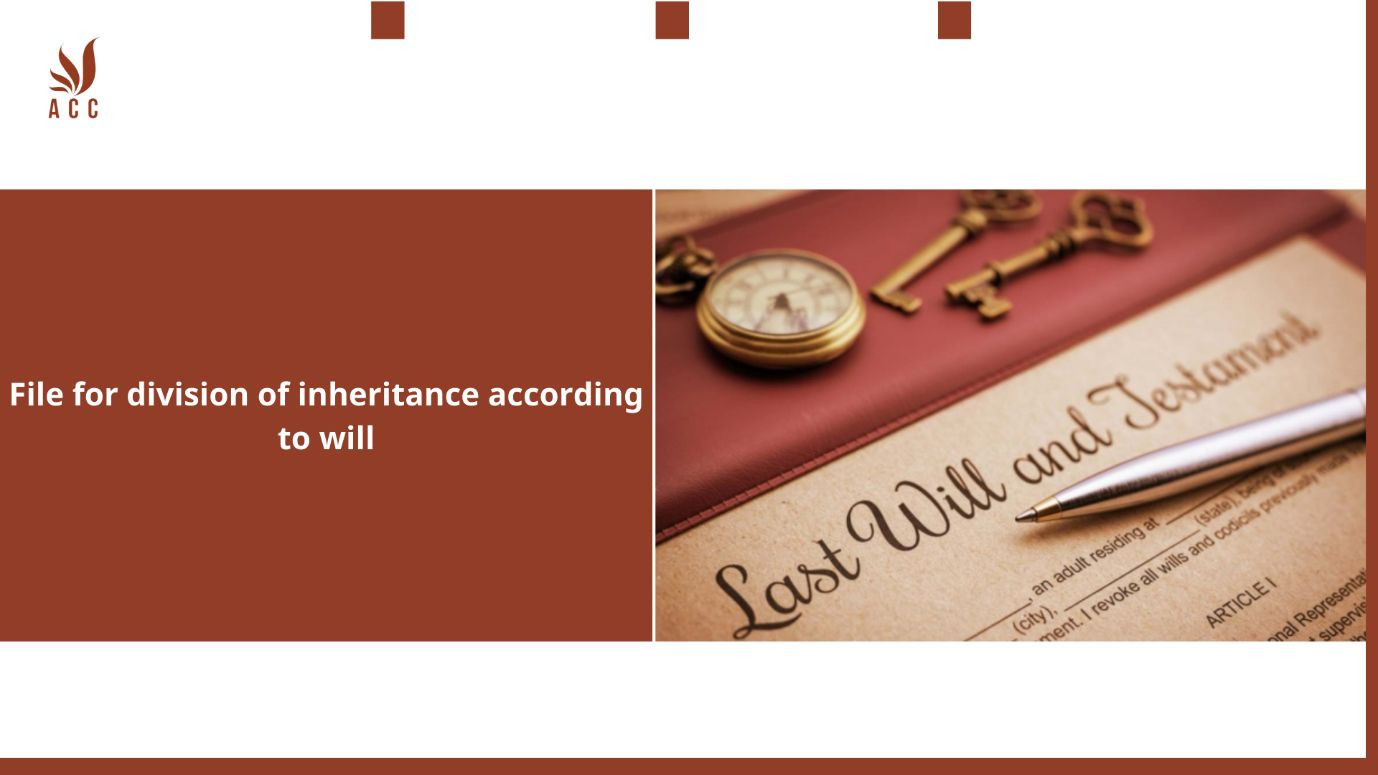
1. Locate the Will:
The first step is to locate the original last will and testament of the deceased person (the testator). This document is typically held by the testator's attorney, in a safe deposit box, or with the court.
2. Petition for Probate (if required):
In many jurisdictions, wills must go through a legal process known as probate. Probate involves submitting the will to the court for validation and approval. If required, the person seeking to divide the inheritance (usually the executor named in the will) files a petition for probate with the appropriate court.
3. Notification of Beneficiaries:
The executor or personal representative, once appointed by the court, is responsible for notifying all beneficiaries named in the will about the probate proceedings and their rights to inherit.
4. Asset Inventory and Valuation:
The executor compiles an inventory of all the assets, property, and possessions of the deceased person. These assets are valued, which is important for determining the overall value of the estate.
5. Settle Debts and Expenses:
Before distributing the inheritance, the executor must use the assets from the estate to settle any outstanding debts, taxes, and expenses. This may involve selling assets or using liquid assets to cover these costs.
6. Distribution Plan:
The executor creates a distribution plan based on the terms of the will. This plan outlines how the assets will be divided among the beneficiaries, including specific bequests and the distribution of the residuary estate.
7. Court Approval (if required):
If the probate court is involved, the court will review the will, the inventory of assets, the distribution plan, and any other relevant documentation. Once satisfied, the court will issue an order approving the distribution.
8. When using ACC Law Firm's testament, entrepreneurs will receive
9. Q&a
Q: How do I initiate the process of filing for the division of inheritance according to a will?
A: To initiate the process, you typically need to follow these steps:
Locate the Will: Begin by locating the original, legally valid will of the deceased person. This document outlines their wishes for asset distribution.
Contact the Executor: If there is an executor named in the will, get in touch with them. They are responsible for managing the estate and overseeing the distribution process.
Probate Court: If the estate requires probate (the legal validation of the will), contact the probate court in the jurisdiction where the deceased person lived. They will provide guidance on the necessary documents and procedures.
Q: What documents are required when filing for the division of inheritance according to a will?
A: The documents required can vary depending on the specific circumstances and local laws, but typically, you will need the following:
The Will: The original, legally valid will of the deceased person.
Death Certificate: A copy of the deceased person's death certificate.
Identification: Your government-issued photo identification.
Documentation of Assets: Information about the assets and property to be inherited, including property deeds, financial account statements, and other relevant documents.
Q: What role does the probate court play in the division of inheritance according to a will?
A: The probate court plays a crucial role in the division of inheritance according to a will. They validate the will's authenticity, ensure it meets legal requirements, and oversee the distribution process. The court provides guidance on the necessary procedures and may appoint an executor if one is not named in the will.
Q: Are there any specific timelines to consider when filing for the division of inheritance according to a will?
A: Timelines for the division of inheritance can vary by jurisdiction and the complexity of the estate. It's essential to initiate the process as soon as possible after the testator's death to ensure timely distribution. Delays can occur due to probate proceedings, asset valuation, and any potential disputes among beneficiaries.
Nội dung bài viết:





Bình luận