



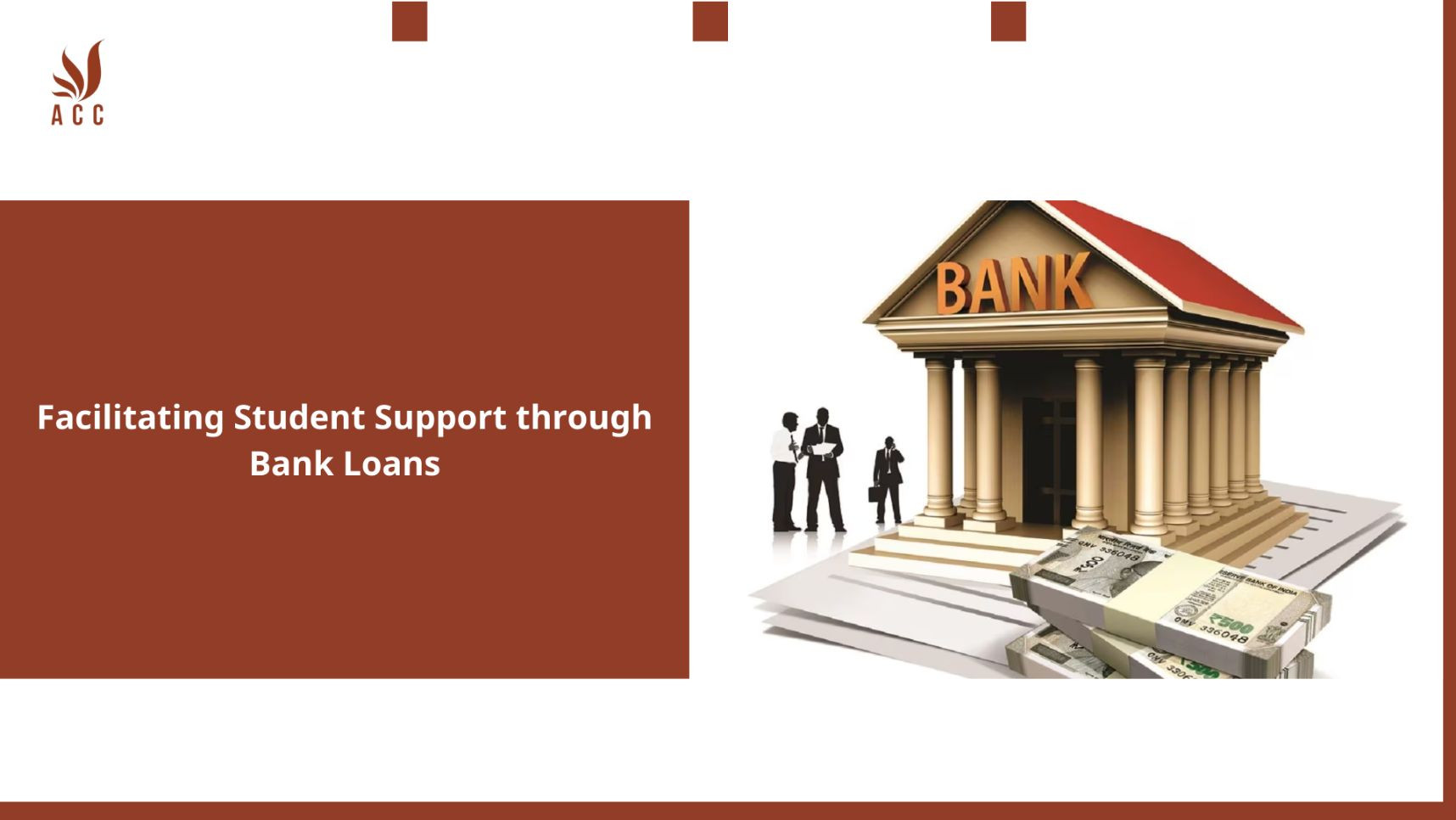
1. Facilitating Student Support through Bank Loans
When it comes to financing your education, you've likely come across advertisements from banks and debt firms offering loans to students. These loans can be a lifeline for those seeking financial support for tuition fees and living expenses. However, the decision to take out a loan should be a carefully considered one, as there are alternative options available that might better suit your circumstances.
2. Understanding the Student Loan Landscape
Student Loans - A Reliable Choice for Eligible Undergrads
One of the most popular sources of funding for students is the government-backed student loan. These loans typically cover tuition fees and living costs and come with attractive features for eligible undergraduates. While they do charge interest, the rates are substantially lower compared to commercial loans.
What sets student loans apart is their flexible repayment structure. Repayments are tied to your earnings, functioning similar to a tax. If your income drops or remains below a certain threshold, your repayments pause until you start earning above that threshold again. Additionally, any remaining balance is usually written off after approximately 30 years. This means that non-payment doesn't lead to the same financial burden as with private loans.
The 0% Student Overdraft - Covering Living Costs
For students, having access to a 0% student overdraft can be a lifesaver. This facility allows you to spend more money than you have in your bank account without incurring interest charges. While it's an excellent option for covering living costs, it may not be sufficient to cover tuition fees.
To qualify for a 0% student overdraft, you'll need a designated student bank account, and your spending limit will be determined by the bank and your credit score. Typically, this 0% arrangement remains in place until shortly after graduation. However, it's crucial to clear your overdraft balance before interest starts accumulating.
Leveraging Credit Cards Responsibly
Credit cards can serve as a valuable tool for bridging budget gaps or making essential purchases. To ensure that borrowing remains cost-free, it's essential to pay the monthly statement in full each time. This practice prevents the accrual of interest charges and penalty fees.
If you find it challenging to pay your credit card balance in full, it's advisable to treat credit cards like loans. Compare interest rates and the total repayable amount before using them for spending.
Exploring Credit Union Loans - A Community-Driven Approach
Credit unions offer loans for covering tuition fees, living expenses, or emergencies. These community-run financial institutions often provide loans with lower interest rates compared to other lenders. To qualify, you'll typically need a source of income, such as a part-time job, to pass the affordability assessment.
Credit unions not only support you financially but also help you build savings through loan programs. They offer guidance on broader money management skills.
3. Safer and More Economical Alternatives
While loans can provide essential financial support, it's crucial to explore other options that don't involve borrowing. Saving or earning money may require time and effort, but these methods are risk-free and cheaper in the long run. Consider the following alternatives:
-
Grants, Bursaries, and Scholarships: Many universities offer non-repayable grants, bursaries, and scholarships to eligible students. These funds can significantly reduce your financial burden.
-
Travel Awards: Some universities provide travel awards to help students with study-related expenses, such as study abroad programs.
-
Support for Disabilities: If you have seen or unseen disabilities, your university may offer additional financial support and accommodations. It's essential to explore these options to ensure you receive the assistance you need.
4. Seek Guidance When Needed
Taking on debt should be a well-informed decision. If you're struggling with repayments or financial concerns, don't hesitate to seek advice. Your university's welfare officer or organizations like StepChange can provide invaluable support and guidance.
In conclusion, financing your education is a crucial decision, and you should explore all available options to determine the most suitable one for your circumstances. Whether it's government-backed student loans, 0% student overdrafts, credit cards, or credit union loans, understanding the pros and cons of each option will help you make an informed choice. Additionally, consider non-repayable grants, scholarships, and other forms of financial support provided by your university. Your education is an investment in your future, and with the right financial strategy, you can achieve your academic goals without unnecessary financial stress.
5. Why should professionals use ACC Law Firm's capital Service?
-
Expertise in Legal Matters: ACC Law Firm specializes in legal services, providing professionals with access to experienced attorneys who can offer valuable legal guidance. Whether it's contract negotiations, intellectual property issues, employment matters, or any other legal concern, their expertise can be invaluable.
-
Tailored Legal Solutions: ACC Law Firm understands that every professional's needs are unique. They can customize their legal services to address the specific challenges and opportunities faced by professionals in different fields.
-
Risk Mitigation: Legal issues can pose significant risks to professionals and their businesses. ACC Law Firm can help identify and mitigate these risks, reducing the potential for costly legal disputes or compliance issues.
-
Resource Optimization: Professionals can save time and resources by outsourcing their legal needs to ACC Law Firm. This allows them to focus on their core competencies and business objectives, while leaving legal matters in the hands of professionals.
-
Access to a Network: ACC Law Firm may have a network of legal experts and professionals in various fields, which can be beneficial for clients seeking connections and advice beyond just legal services.
Q&A
Question 1: What is a loan, and how does it work?
Answer 1: A loan is a financial arrangement where a lender provides a specific amount of money to a borrower, who agrees to repay the loan amount with interest over a defined period. Loans are used for various purposes, such as purchasing a home, funding education, or starting a business.
Question 2: What are the common types of loans available to individuals?
Answer 2: Common types of loans include:
- Mortgage Loans: Used to buy real estate or properties.
- Auto Loans: Used to finance the purchase of a vehicle.
- Personal Loans: Unsecured loans used for various personal expenses.
- Student Loans: Designed to fund education and related expenses.
- Business Loans: Sought by businesses for capital, expansion, or working capital.
- Credit Cards: A form of revolving credit.
Question 3: How do interest rates and repayment terms vary among different types of loans?
Answer 3: Interest rates and repayment terms vary among loan types and lending institutions. For instance, mortgage loans typically have lower interest rates and longer repayment terms compared to credit card loans, which often have higher interest rates and shorter terms. The specific terms depend on the loan's purpose, risk factors, and the borrower's creditworthiness.
Question 4: What are the consequences of defaulting on a loan?
Answer 4: Defaulting on a loan can have various consequences, including:
- Negative Impact on Credit Score: Your credit score may be adversely affected, making it harder to secure future loans or credit.
- Accrued Interest and Fees: Additional interest and fees may accumulate.
- Legal Action: The lender may take legal action to recover the debt, which can result in wage garnishment or asset seizure in some cases.
- Collection Agencies: The loan may be handed over to a collection agency, leading to persistent contact and potential legal action by them.
Nội dung bài viết:





Bình luận