



Running a business is an exhilarating journey, but sometimes, circumstances lead to the need for a crucial decision—the dissolution resolution. In this article, we'll delve into the intricacies of this formal decision, understanding its components, and the critical steps involved in winding up a company's operations. So, what doess dissolving a limited company mean? ACC Group will address your question.
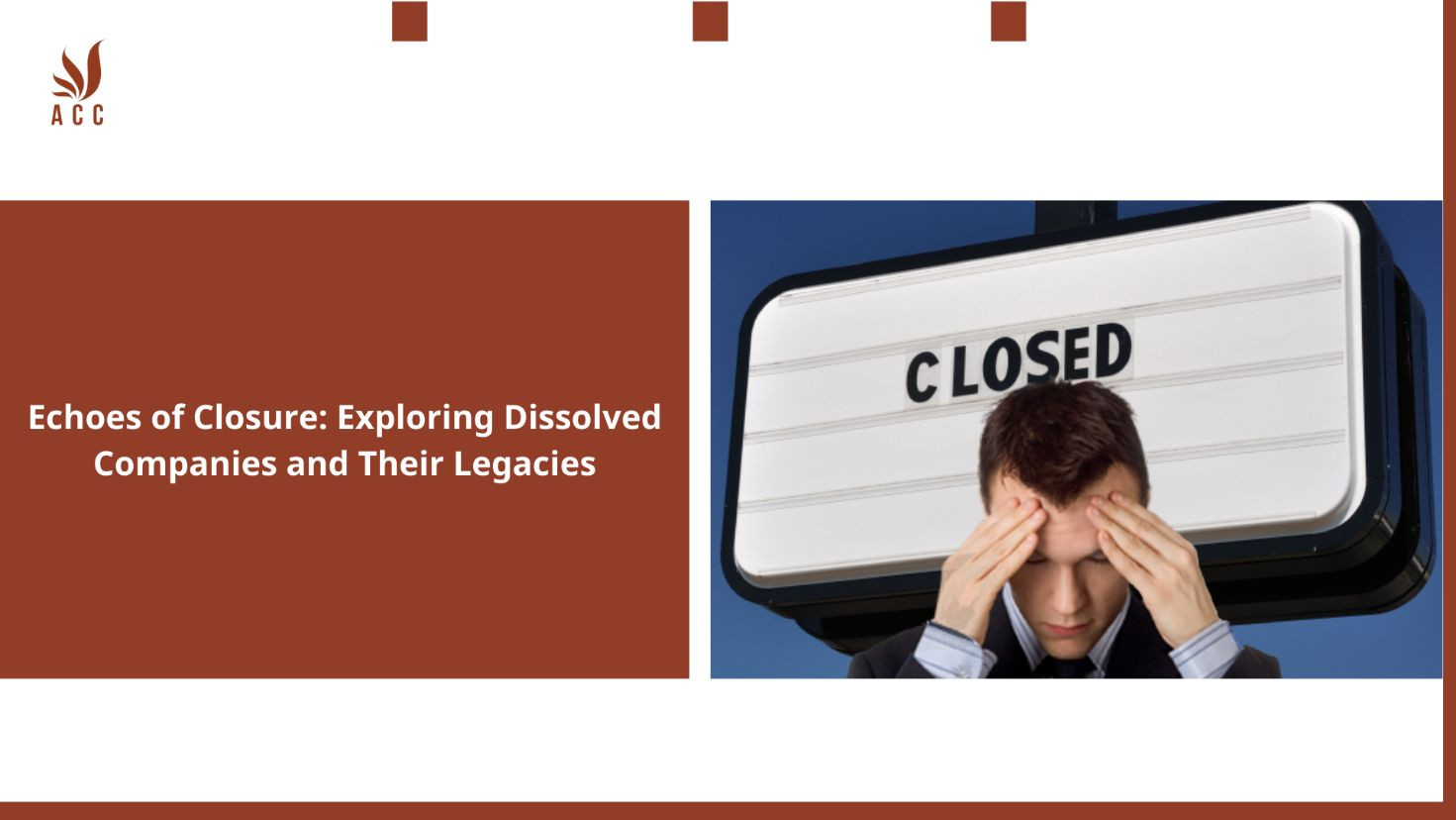
I. What is the meaning of dissolved companies?
"Dissolved companies" refers to businesses that have undergone a formal legal process to terminate their existence. When a company is dissolved, it means that the entity ceases to exist as a legal and operational entity. The dissolution of a company involves specific procedures and legal steps to wind down its operations, settle debts and obligations, and distribute remaining assets.
II. The Dissolution Resolution: Navigating the End of an Enterprise
1. Decision to Dissolve: Unraveling the Why
The resolution commences by addressing the pivotal decision to dissolve. Explore the myriad reasons that may prompt such a move—financial hurdles, shifting market demands, altered business strategies, or the retirement of key players.
2. Approval Process: Involving the Stakeholders
Understanding the approval process is paramount. Depending on the entity type, be it a corporation or partnership, shareholders or members may play a crucial role. This section details the voting processes and majority requirements essential for the dissolution.
3. Appointment of Liquidators: Managing the Transition
If required, the resolution appoints liquidators entrusted with steering the dissolution ship. These professionals ensure a meticulous process—valuating assets, settling liabilities, and meticulously navigating the legal landscape.
4. Wind-up Activities: Unraveling the Threads
Here, the resolution maps out the specifics of winding up the enterprise. From selling assets to terminating contracts, this section provides a comprehensive guide to ensure a seamless transition.
5. Distribution of Assets: Balancing the Books
Delve into the resolution's guidance on distributing remaining assets. Priority lies in repaying debts, settling taxes, and allocating remaining funds or assets to stakeholders, be they shareholders or partners.
6. Legal Obligations: Navigating the Legal Maze
This section emphasizes the significance of meeting all legal obligations during the dissolution process. Learn about filing forms, notifying regulatory bodies, and staying compliant with laws and regulations.
7. Termination of Legal Existence: Crossing the Finish Line
The resolution defines the dissolution's effective date and outlines the steps to terminate the enterprise's legal existence. This involves canceling licenses, permits, and registrations with relevant government authorities.
III. Conclusion
Concluding, it's paramount to seek counsel from legal and financial professionals when drafting a dissolution resolution. This ensures adherence to laws and safeguards the rights and interests of all stakeholders involved.
FAQs
1. Q: What prompts a decision to dissolve an enterprise?
A: Various factors, such as financial challenges, changing market dynamics, altered strategies, or the retirement of key players, may lead to a dissolution resolution.
2. Q: How is the approval process for dissolution determined?
A: Depending on the entity type, shareholders or members often play a crucial role, participating in voting processes with specified majority requirements.
3. Q: Who are liquidators, and what is their role in the dissolution process?
A: Liquidators are professionals appointed to manage the dissolution process, valuing assets, settling liabilities, and navigating legal intricacies.
4. Q: What are the key steps in winding up enterprise activities?
A: The process involves selling assets, settling liabilities, terminating contracts, notifying stakeholders, and filing necessary documents with government bodies.
Nội dung bài viết:





Bình luận