



In 2022, the procedures for dissolving a company are highly dependent on the jurisdiction in which the company is registered. Company dissolution can be a complex process, and as laws and regulations evolve, it is vital to stay updated with the latest legal requirements in your specific jurisdiction. This article will provide a comprehensive guide to the general steps that may be involved in the company dissolution process in 2022. Let's delve into the intricacies of dissolving a company. So, what doess dissolving a limited company mean? ACC Group will address your question.
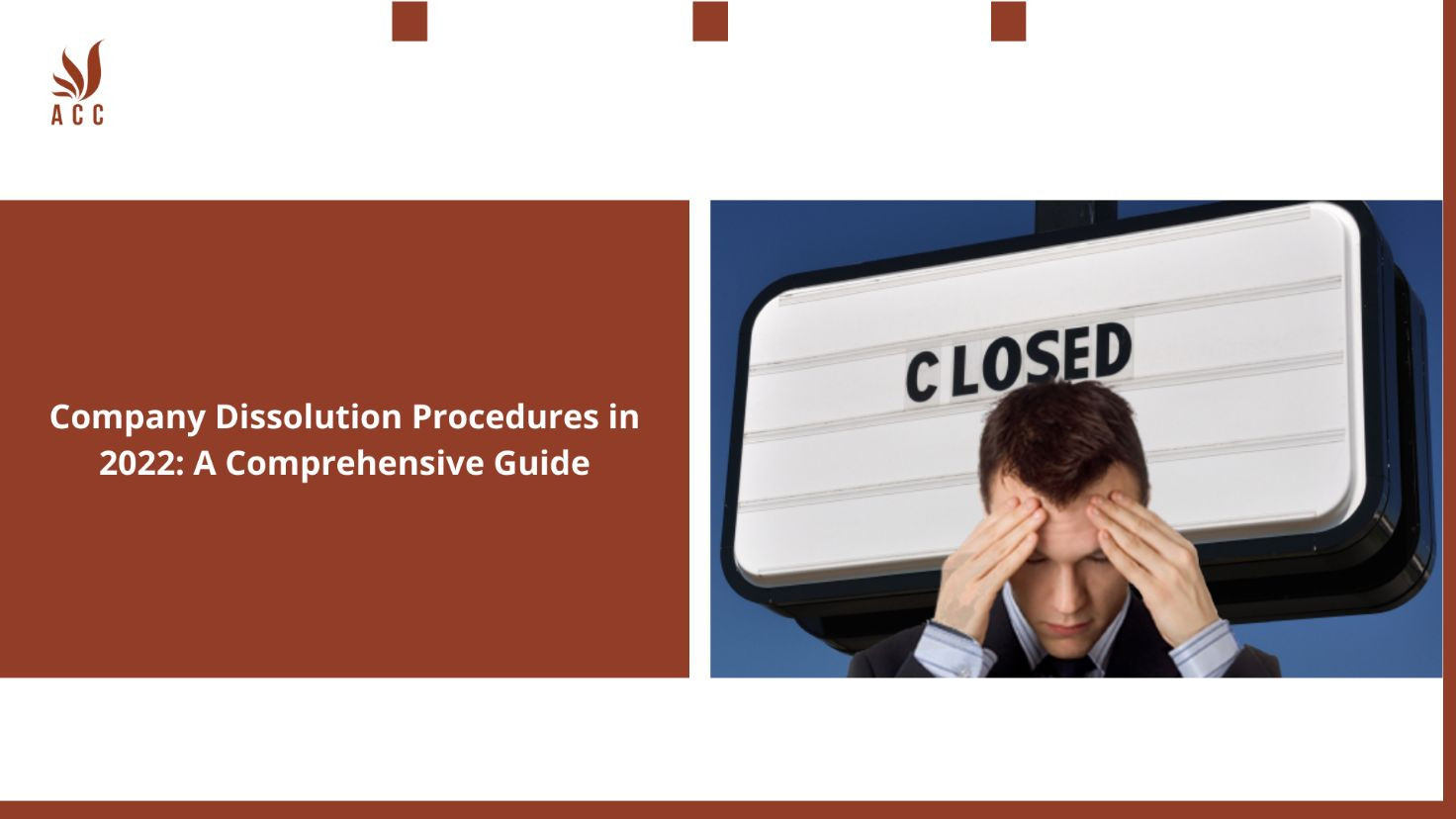
I. What are the company dissolution procedures in the year 2022?
Company dissolution procedures in 2022, like in any other year, generally involve a series of steps and legal requirements to formally close a business entity. These procedures can vary depending on the company's legal structure, location, and specific circumstances.
II. Understanding the Legal Landscape
Review Governing Laws
The first step in the company dissolution process is to familiarize yourself with the current applicable laws and regulations in your jurisdiction. These laws can change over time, so it's essential to consult the most recent versions to ensure compliance.
Compliance with Pre-Dissolution Requirements
Before proceeding, ensure that all pre-dissolution requirements specified by the law are met. These requirements may include obtaining shareholder resolutions, notifying regulatory authorities, and settling any outstanding obligations.
III. Preparing the Necessary Documents
Preparation of Dissolution Documents
Once you've ensured compliance with the prerequisites, it's time to prepare the necessary dissolution documents as required by your jurisdiction. These documents may include a formal dissolution application, a statement of intent to dissolve, and any supporting documentation required by the relevant authority.
IV. Navigating the Filing Process
Filing of Dissolution Documents
After preparing the required documents, submit them to the appropriate government authority or registrar of companies. This process typically involves completing the necessary forms and paying any applicable fees. The documents will then be reviewed by the authority, and the dissolution process will proceed accordingly.
V. Settling Financial Obligations
Settlement of Obligations
Prior to the dissolution, ensure that all outstanding financial obligations of the company are resolved. This includes paying off debts, taxes, and other liabilities. It's also important to fulfill financial obligations to employees, shareholders, and other involved parties.
VI. Asset Distribution
Asset Distribution
In cases where there are remaining assets after settling obligations, distribute them in accordance with the applicable laws and the company's governing documents. Typically, this involves distributing assets to shareholders or owners based on their ownership interests.
VII. Official Cancellation
Cancellation of Registration
Once all necessary steps are completed, the company's registration with the government authority or registrar of companies will be officially canceled, effectively dissolving the company.
It's important to remember that the specific procedures and requirements can vary significantly from one jurisdiction to another. Thus, consulting with legal professionals or advisors who are well-versed in the laws and regulations governing company dissolution in your jurisdiction is highly recommended. They can provide guidance tailored to your specific circumstances and ensure full compliance with all legal obligations and requirements in 2022.
Concluding Thoughts
Dissolving a company is a significant decision, and understanding the intricate procedures involved is crucial for a smooth transition. By staying up-to-date with the legal landscape in your jurisdiction and seeking expert advice, you can navigate the process effectively and ensure a successful company dissolution in 2022.
FAQs
1. Is it necessary to consult legal professionals for company dissolution?
Consulting legal professionals is highly recommended, as they can provide tailored guidance and ensure compliance with the laws and regulations in your jurisdiction.
2. What happens if I don't fulfill pre-dissolution requirements?
Failing to meet pre-dissolution requirements can lead to legal complications and delays in the dissolution process. It's essential to adhere to these prerequisites.
3. How long does the company dissolution process typically take?
The duration of the dissolution process can vary depending on your jurisdiction and the complexity of your company's financial and legal obligations. Consulting with legal experts can provide a more accurate timeframe.
4. What are the common challenges in the dissolution process?
Common challenges include settling outstanding financial obligations, distributing assets, and ensuring compliance with changing laws and regulations.
Nội dung bài viết:





Bình luận