



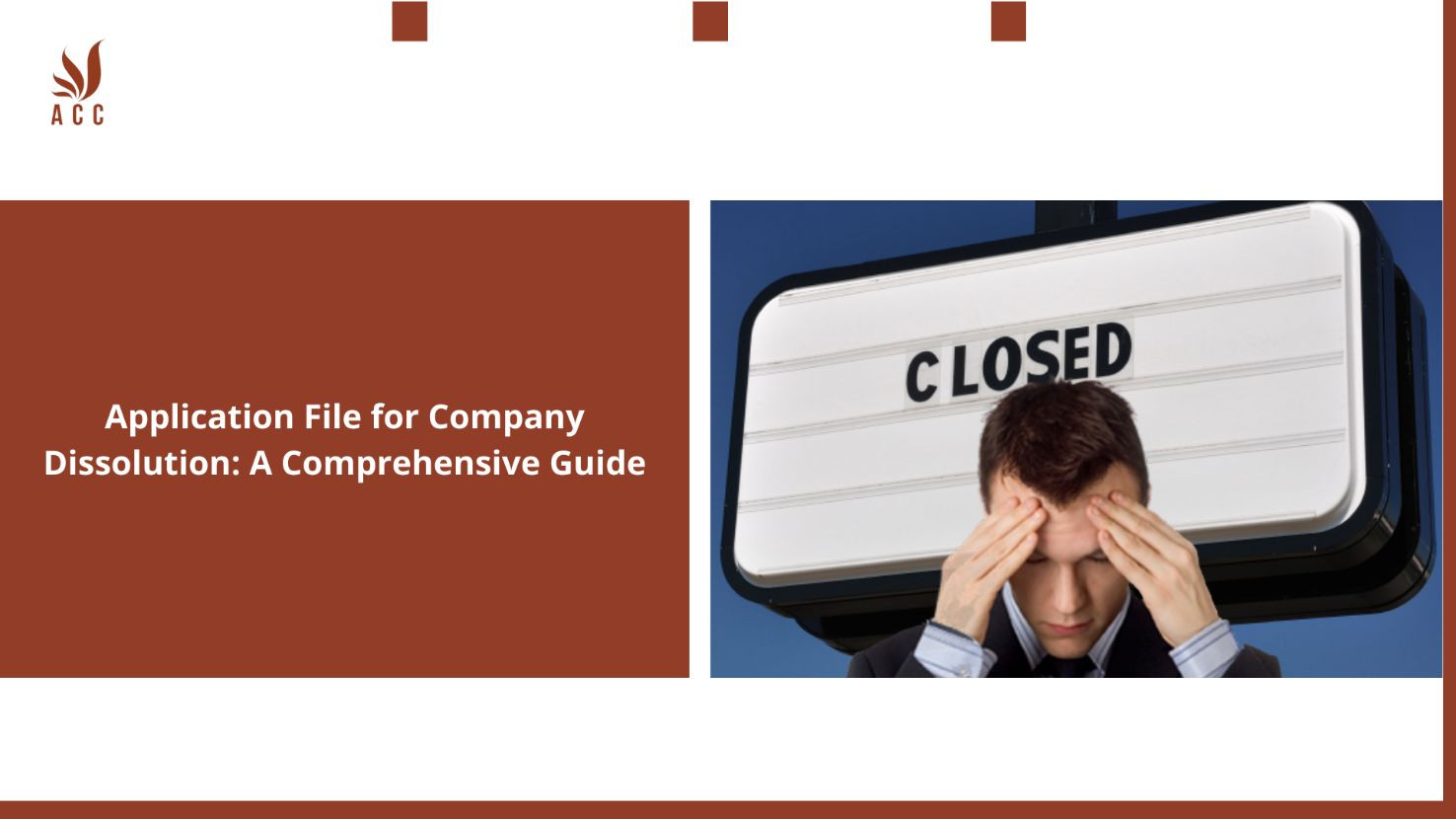
Application File for Company Dissolution: A Comprehensive Guide
In the world of business, sometimes, the need to dissolve a company or sole proprietorship arises. This could be due to a variety of reasons, including financial challenges, changes in ownership, or a shift in business strategy. Whatever the reason, the process of dissolution is a critical and legally structured one. In this article, we'll provide a comprehensive overview of how to initiate the dissolution of a company and the necessary procedures for dissolving a sole proprietorship.
1. Dissolution of a Company:
-
Board Resolution: The first step in dissolving a company is to hold a board meeting and pass a resolution to do so. This resolution should be meticulously documented in writing. It serves as the formal decision to wind up the company's operations.
-
Shareholder Approval: Depending on your jurisdiction's laws or your company's articles of incorporation, you may need to obtain shareholder approval for the dissolution. This ensures that the decision aligns with the interests of the company's owners.
-
Notice to Creditors: It's essential to notify creditors about the intended dissolution. This is typically done by publishing a notice in local newspapers or other designated publications. This notice allows creditors to submit any outstanding claims against the company, ensuring all financial obligations are addressed.
-
Tax Clearance: Before proceeding with dissolution, you must obtain tax clearance from the relevant tax authorities. This involves settling all outstanding taxes and filing any necessary tax returns. It's a critical step to ensure you've met your financial obligations to the government.
-
Application for Dissolution: Prepare an application for dissolution, which should include essential details such as the company's name, registration number, the reason for dissolution, financial statements (if required), and the signatures of directors/shareholders. This application formalizes your request to dissolve the company.
-
Filing with Government Authorities: Once the application is complete, you'll need to submit it along with any required supporting documents to the appropriate government authority responsible for business registrations or corporate affairs in your jurisdiction. This is a crucial step to ensure that the dissolution is legally recognized.
-
Liquidation Process (if applicable): If there are assets remaining after settling all liabilities, you may need to appoint a liquidator. The liquidator's role is to distribute these assets among shareholders according to their ownership interests. This process ensures that any remaining value in the company is fairly distributed.
-
Cancellation of Licenses/Permits: It's essential to cancel any licenses or permits held by the dissolved company with relevant authorities, such as business licenses. This step helps in closing all legal ties and responsibilities associated with the business.
-
Notification to Other Stakeholders: Keeping all stakeholders in the loop is vital. Inform employees, customers/clients, suppliers/vendors, landlords/tenants (if applicable), and other relevant parties about the impending closure or dissolution process. Transparent communication can help manage expectations and legal obligations.
-
Final Filings & Closure: Once all legal requirements have been fulfilled, it's time to file the necessary documents to officially close the company with government authorities. This typically involves filing final tax returns, submitting financial statements, and deregistering the company.
Please note that these steps are general guidelines and may vary depending on your jurisdiction's specific laws and regulations. It is advisable to consult with a legal professional or a business advisor who can provide guidance tailored to your situation.
2. Conclusion:
Dissolving a company or sole proprietorship is a significant decision that requires careful planning and adherence to legal procedures. While these steps provide a broad overview, the specifics may vary based on your location and unique circumstances. Seeking professional advice is always a wise choice to ensure a smooth and legally compliant dissolution process.
FAQs
1. Can I dissolve a company without shareholder approval?
The requirement for shareholder approval depends on your jurisdiction's laws and your company's articles of incorporation. It's crucial to follow the legal requirements in your area.
2. What happens if I don't notify creditors before dissolution?
Notifying creditors is a legal obligation. Failing to do so may result in legal complications and could hinder the dissolution process.
3. Do I need a lawyer to dissolve a company?
While you're not obligated to hire a lawyer, it's highly advisable to seek legal counsel or consult a business advisor to ensure a smooth and compliant dissolution process.
4. How long does the dissolution process typically take?
The timeline for dissolution can vary, but it often takes several months to complete all necessary steps.
Nội dung bài viết:





Bình luận